Disclaimer: This website or these products are not intended to diagnose or prescribe for medical, chiropractic or psychological conditions, nor to claim to prevent, treat, mitigate, or cure such conditions. They are not intended to recommend specific information, products, or services as treatment of disease or to provide diagnosis, care, treatment, or rehabilitation of individuals, or apply medical, mental health, or human development principles, to provide diagnosing, treating, operating, or prescribing for any human disease, pain, injury, deformity, or physical condition.

Potential benefits are recommended based upon traditional uses and may not be generally recognized as substantiated by competent and reliable scientific evidence. Any use of the techniques, education, information, herbal salves, and other products or services is based upon customer informed consent and private license. Results may vary depending upon use and commitment.

A Traditional Amazonian Herb

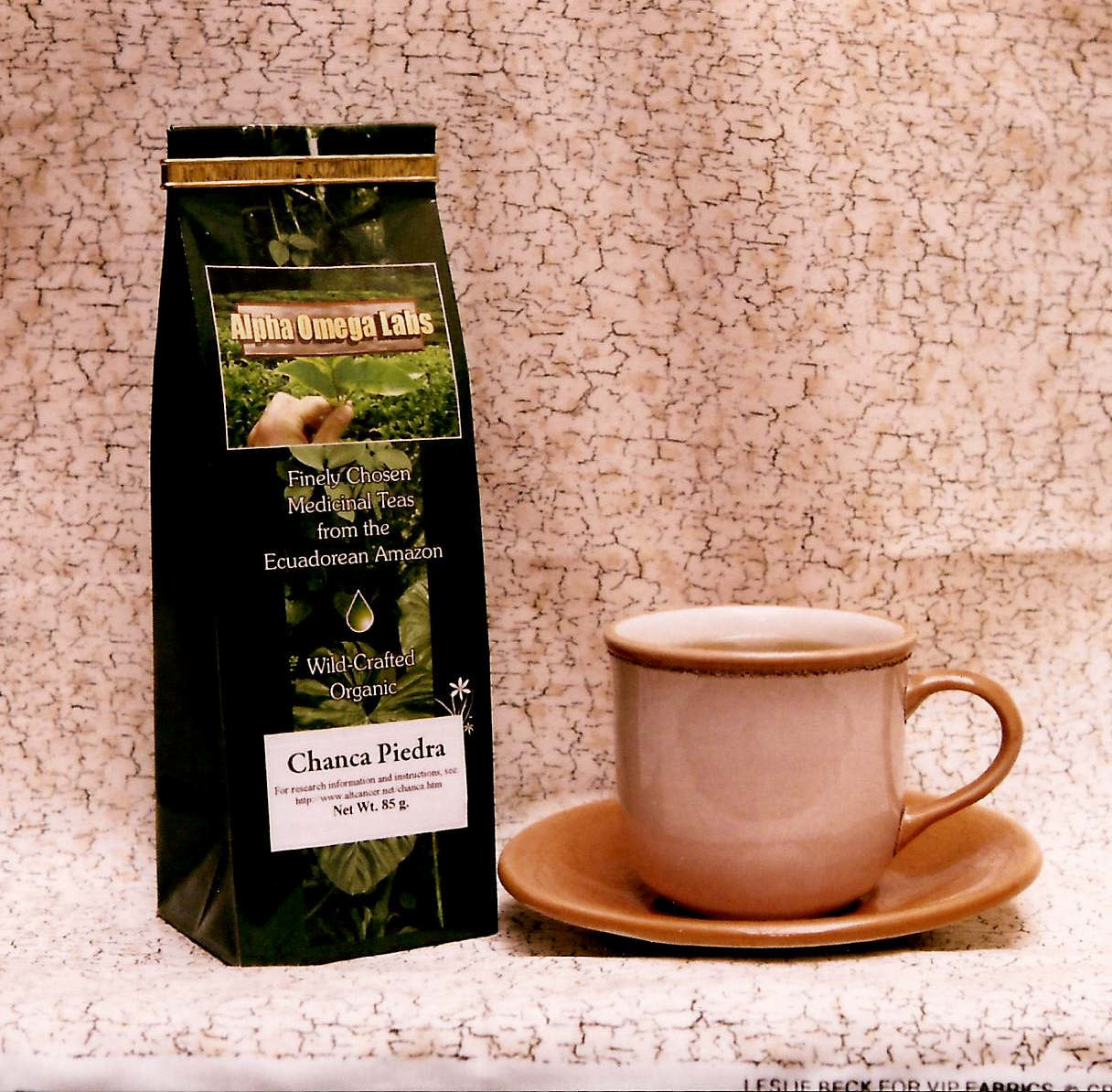
Chanca Piedra

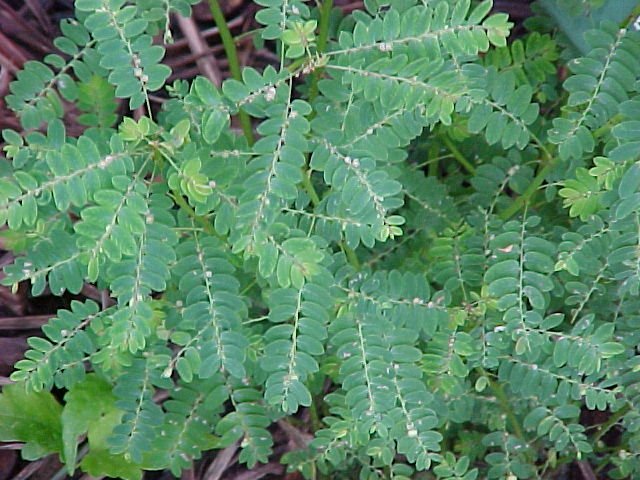
Chanca Piedra
(Phyllanthyus niruri)
Ground Leaves
of Chanca Piedra


Ground tea leaves: 85 gr. (net wt)
Makes Nearly 2 Gallons of Tea
(Using 11 g. / 1.5 T. to make a quart)


120 Capsules x 500 mg.

Email

Summarized Description: Chanca Piedra -- which literally means "stone breaker" -- is one of our native traditionals.
This product can be used as tea using the instructions below, and it also lends itself to encapsulation by experienced end users.


Uses & Protocols

I. Preparation --- if you can boil water, you can make this product: Professional herbalists will recognize this as a standard decoction.
  1. Add 1.5 Tablespoons Chanca Piedra to a large sauce pan, along with one quart of purified water (0.95 liters). You have enough product in the product bag to do this seven to eight times.
  2. Heat until a very low-level boil or "barely boiling" level has been reached and continue boiling for 5 minutes.
  3. Stir occasionally.
  4. Remove heat source and let cool.
  5. Pour the contents of your pan through a strainer and into a large glass vase or container so as to remove most of the tea fragments.
  6. Dispose of tea fragments.
  7. Drink your tea hot . . . refrigerate glass vase and enjoy later as a refreshing cold tea . . . or refrigerate and reheat later if you want to enjoy the product as a hot tea. You may add cinnamon, lemon, and/or honey to taste. More specific protocols for the use of the product are provided below.
II. Protocols.
Tea: Prepare the tea according to the instructions above. Drink two to three cups of the tea daily or as recommended by your health care practitioner. Capsules: Take two capsules, 2x a day, or as directed by your naturopathic practitioner.


Contraindications
None indicated.

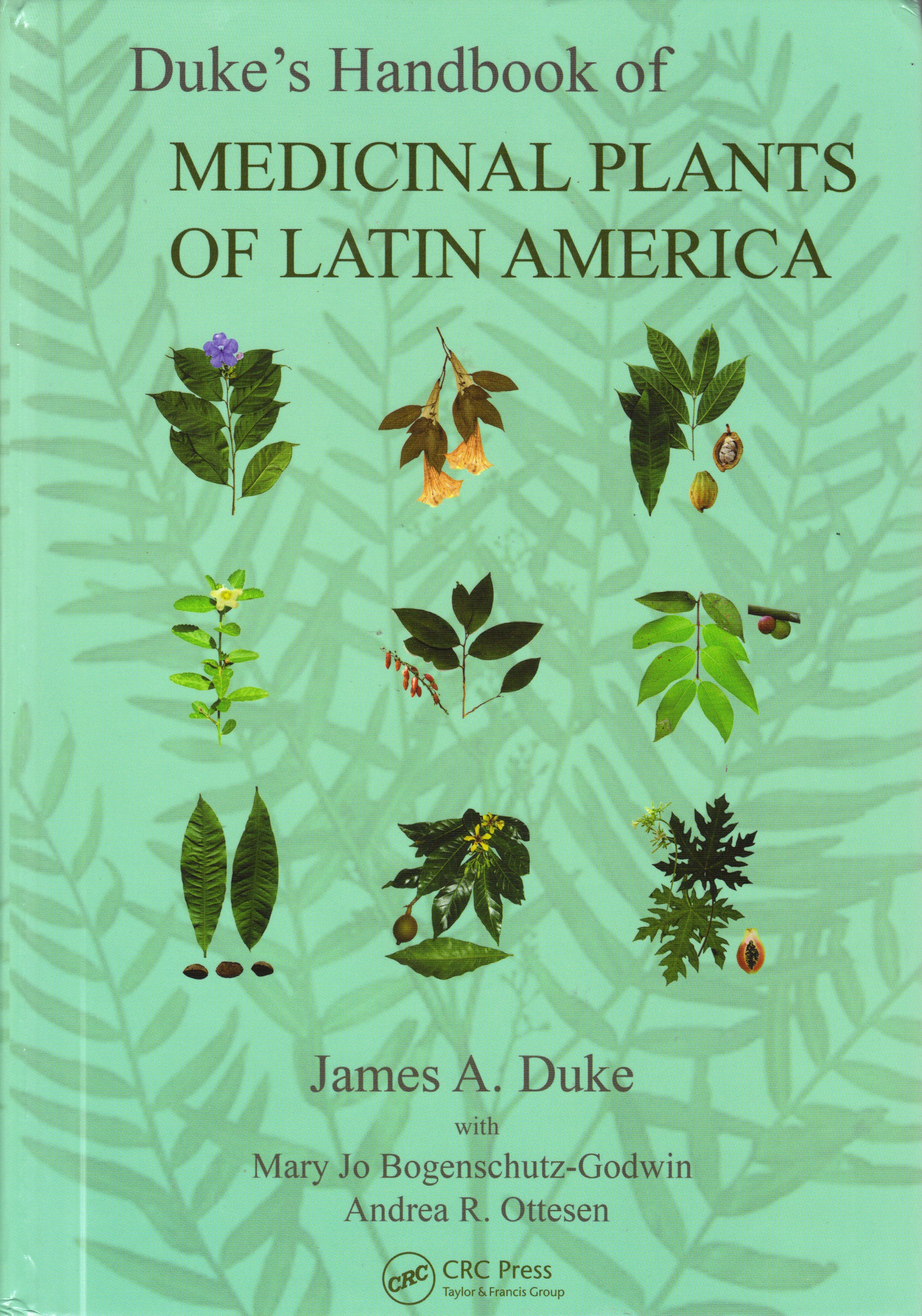
James Duke's Handbook of Medical Plants of Latin America
Medicinal Activities
Further information for practitioners: World-famous botanist Dr. James Duke attributes the following activities to this plant (p. 533-534; see hardcopy cover at right), drawn from the extant literature. (See his graduation for "level of efficacy" on our traditionals page; followed by Duke's bibliographic abbreviations (in capital letters), which we identify on a separate page.)

  • Abortifacient (f; RAI);
  • Aldose-Reductase-Inhibitor (1; MPG; RAI; 60P);
  • Amebicide (1; ZUL);
  • Analgesics (f1; DAV; DAW; MBC; RAI);
  • Anthelmintic (1; ZUL);
  • Antialcoholic (1; KEB);
  • Antibabesial (1; X15844943);
  • Anticancer (1; KAB; PHM9:26);
  • Antifertility (1; RAI);
  • Antigenotoxic (1; PHM9:26);
  • Antihepatomic (1; KEB);
  • Antihepatotoxic (1; DAV; TRA);
  • Antihyperuricemic (1; X16953466);
  • Antiinflammatory (f1; RAI);
  • Antileukemic (1; KAB);
  • Antimutagenic (1; PHM9:26; RAI);
  • Antioxidant (1; X16718736);
  • Antiplasmodial (1; X15844943);
  • Antiseptic (1; MPI; PH2, WOI);
  • Antispasmodic (1; DAV; KAB; MPI; RAI; TRA);
  • Antiulcer (f1; JFM; RAI)
  • Antiviral (1; KEB; PH2, RAI; SKY; TRA);
  • Aperitive (f; DAV; DAW);
  • Astringent (f; KAB; SKJ);
  • Carminative (f; DAV; DAW; RAI);
  • Chemopreventive (f1; RAI);
  • Cholagogue (f; GMJ);
  • Contraceptive (1; PR15:265);
  • Deobstruent (f; ADP; MPB, RAI; SKJ);
  • Depurative (f; JFM);
  • Diaphoretic (f; MPB);
  • Digestive (f; DAV; DAW, RAI);
  • Diuretic (f1; DAW, HHB, JFM, KAB; SKJ; TRA; WOI)
  • DNA-Polymerase Inhibitor (1; SKY);
  • Emetic (f; MPG);
  • Emmenagogue (f; DAV, dAW, NPM);
  • Febrifuge (1; DAV; MPI: RAI; SKJ; TRA);
  • Fungicide (1; ZUL);
  • Gastroprotective (1; RAI);
  • Hepatoprotective (f1; KAB; KEB; MBC; RAI; X16718736);
  • HIV-RT-Inhibitor (1; KEB);
  • Hypocholesterolemic (1; MPG; RAI);
  • Hypoglycemic (=> Tolbutamide) (1; DAV; KAB; KEB; MPI; RAI; TRA);
  • Hypotensive (1; MBC; RAI; X8786163);
  • Hypotriglyceridemic (1; RAI);
  • Hypouricemic (f1; JFM;X16953466);
  • Immunostimulant (1; X16252911);
  • Lactagogue (f; ADP; KAP; WOI);
  • Laxative (f1; DAV; DAW; KAB; RAI);
  • Litholytic (f1; DAV; RAI; X16896689);
  • Myorelaxant (1; RAI);
  • Natriuretic (1; MPB; RAI);
  • Piscicide (1; JFM; WOI);
  • Protein-Kinase-Inhibitor (1; HH2);
  • Protisticide (1; ZUL);
  • Radioprotective (1; RAI);
  • Refrigerant (f1; KAB);
  • RT-Inhibitor (1; RAI);
  • Sedative (f; 60P);
  • Stomachic (f; DAW; SKJ);
  • Tonic (f; DAV; DAW; KAB);
  • Uricosuric (1; MBC);
  • Uterorelaxant (1;RAI);
  • Vasorelaxant (1; X16394535);
  • Vermifuge (1; DAV; DAW; RAI);
  • Vulnerary (f; KAB);


Indications
Further information for practitioners: Duke provides the following indications for this plant:
  • Acne (f; JFM; NPM);
  • Alopecia (f; SAR);
  • Amebiasis (1:ZUL);
  • Amenorrhea (f; NPM; RAI; 60P);
  • Ascites (f: PH2);
  • Bacteria (1; TRA; WOI);
  • Biliousness (f; JFM);
  • Blackhead (f; JFM);
  • Bleeding (f; MPG);
  • Blennorrhagia (f; DAV; DAW; KAB);
  • Bruises (f; MPG);
  • Calculus (f1; JFM; MD2; X16896689);
  • Cancer (1; JLH; KAB; MPI);
  • Cancer, abdomen (f; JLH);
  • Cancer, colon (f; JLH);
  • Cancer, liver (f; RAI);
  • Cholecocystosis (f; RAI);
  • Colic (f; ADP; DAV; DAW; JFM; PH2, WOI);
  • Colitis (f; RAI);
  • Conjunctivosis (f; HH3);
  • Constipation (f; KAB; KAP; PH2; RAI);
  • Coughs (f; MD2);
  • Cramps (1; MPI; PH2);
  • Cystosis (f; RAI);
  • Debility (f; HH3);
  • Dermatosis (f; JFM; KAP);
  • Diabetes (f; DAV; DAW; JFM, KAB, KEB, MPI, PH2);
  • Diarrhea (f; PH2; WOI);
  • Dropsy (f; DAV; DAW; MPI; SKJ);
  • Dysentery (f; DAV; DAW; MPI; PH2; SKJ);
  • Dyslactea (f; ADP);
  • Dyspepsia (f; DAW; MPI; WOI);
  • Dysuria (f; JFM, KAP);
  • Edema (f; JFM; KAP; MPI; SKJ);
  • Enterosis (f; AHL, JFM, JLH);
  • Escherichia (1; HH3);
  • Fever (f; DAV; DAW; HHB; PH2);
  • Flu (f; DAV; DAW; RAI);
  • Fungus (f1; KAB; MPI);
  • Gallstones (f1; HH3; NIC; X16896689);
  • Gangrene (f; MPG);
  • Gas (f; DAV; RAI);
  • Gastrosis (f; HHB; JFM; KAB; PH2);
  • Gravel (1; JFM; 60P);
  • Hepatitis B (=Interferon) (12; RAI);
  • Hepatosis (f12; KAB; KEB; MD2; MPB; MPI; SKY; X16718736);
  • Herpes (1; HH3);
  • High Blood Pressure (1; MBC; RAI; X16394535; X8786163);
  • High Cholesterol (1; MPG; RAI; 60P);
  • HIV (1; MBC; RAI);
  • Hyperuricemia (f; JFM);
  • Infection (f1; KAB; MPG; MPI; PH2);
  • Infertility (f; Ph2);
  • Itch (f; DAV; DAW, KAP);
  • Jaundice (f12; DAW; DEP; HHB; HH3; KEB; MPI; RAI; SKY);
  • Kidney Stones (f1; NIC; RAI; X16896689);
  • Leukemia (1; KAB; MPI);
  • Leukorrhea (f; ADP; JFM);
  • Malaria (f1; DAV; DAW; DEP; KAB; HH3; MD2; PH2; RAI);
  • Menorrhagia (f; KAP; MPI);
  • Micrococcus (1: RAI);
  • Mycosis (f1; KAB; MPI);
  • Nephrosis (f; DAV; JFM; MBC; MD2; RAI; SAR);
  • Oliguria (f1; RAI);
  • Ophthalmia (f; KAP; MPI; PH2; WOI);
  • Ovary (f; JFM);
  • Pain (f1; AHL, MBC; RAI);
  • Parasites (1; ZUL);
  • Pasteurella (1; RAI);
  • Prolapse (f; JFM);
  • Prostatosis (f; DAV; RAI);
  • Pulmonosis (f; MPG; 60P);
  • Ringworm (f1; KAB; ZUL);
  • Scabies (1; DEP; KAB, PH2; ZUL);
  • Snake Bite (f; HH2; HH3);
  • Sores (f; DEP; MPI; PH2; WOI);
  • Spasms (f; RAI);
  • Splenosis (f; KAB);
  • Staphylococcus (1; HH3; RAI; 60P);
  • Stomachache (f; BEJ; DAV; DAW; KAB; RAI);
  • Stones (f1; HH3; X16896689);
  • Swelling (f; KAB; MPI; SKJ);
  • Tachycardia (f; PH2);
  • Tenesmus (f; DAV; DAW);
  • Tuberculosis (f; RAI);
  • Tumors (f; DAW; JLH);
  • Ulcers (f1; JFM; RAI; SKJ; 60P);
  • Urogenitosis (f; DEP; KAB; MPI; PH2);
  • UTI's (f; RAI; SKJ);
  • Vaginosis (f; DAV; DAW);
  • VD (f; HH3: JFM; KAB);
  • Viruses (1; HH3; KAB; PH2; TRA);
  • Womb (f; JFM);
  • Wounds (f; NPM; PH2).
Chanca Piedra


To U.S. Users: This product have not been evaluated by the U.S. Food & Drug Administration. It is not intended to diagnose, treat, cure, or prevent any disease.

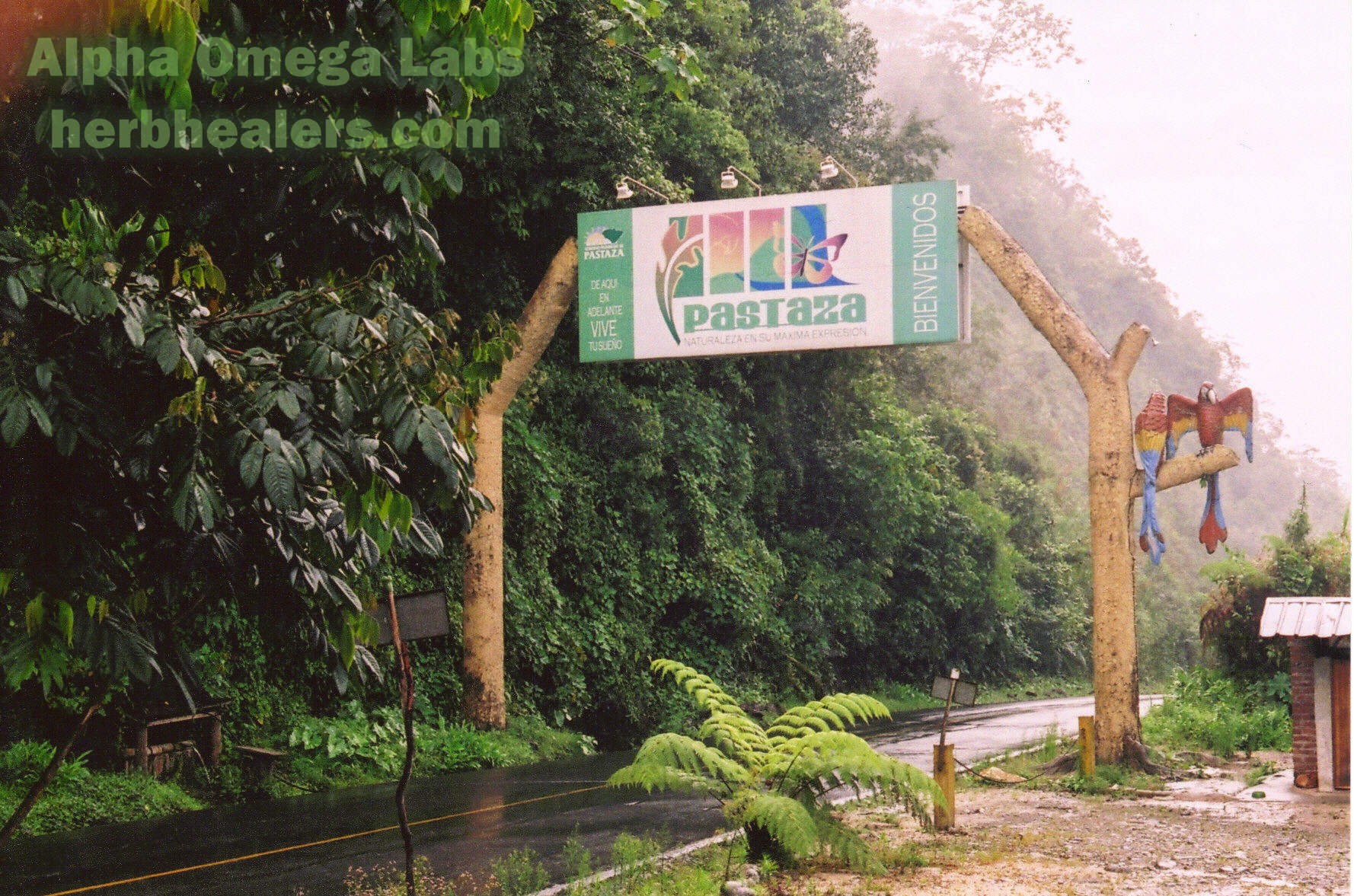
Bienvenidos a Pastaza

Sourcing From
Amazonian Wilderness

All the materials used to make our Amazonian & Andean Medicinal Teas are wild-crafted and harvested from the Central Andes and Amazonian regions of Ecuador and Peru. There are no cultivated varieties used. Click photo to enlarge.


Ethnobotanical
Dosage / Usage
Duke provides a "food farmacy potential" score for this plant of, "FNFF=X" ("I found nothing credible suggesting the plant as food.") Historical / Ethnobotanical Dosages: 3-6 g. powered herb (KAB); 14-28 ml. tea (KAP); 900 to 2,700 mg. plant powder / day for 3 months (SKY); 10 plants / l water (PH2); 2 to 3 g. capsules / tablet, 2X/day (RAI); 2 to 6 ml. extract (1:2)(KEB).
Indications for its ethnobotanical use worldwide are broad and fall into the following categories (p. 534-535):
  1. Alopecia, amenorrhea, cancer, colic, colitis, constipation, diabetes, dysentery, dyspepsia, edema, enterosis, fever, flu, gallstones, gas, gonorrhea, itch, jauntice, kidney stones, malaria, nephrosis, oliguria, pain, proctosis, spasms, stomachache, viginitis, and worms -- (traditional indications by Western Amazonian peoples: DAV, RAI, SAR).
  2. Menorrhagia, oliguria -- (Ayurvedics: KAB).
  3. Bacterial infection, cold, constipation, fever, flu, high blood sugar -- (Bahamians: RAI).
  4. Albuminuria, arthritis, biliousness, bladder stones, cancer, catarrh, cholecocystosis, colic, cystosis, diabetes, dyspepsia, dysuria, edema, enterosis, fever, flu, gallstones, gas, gonorrhea, gout, hepatosis, high blood pressure, hyperuricemia, inflammation, jaundice, kidney stones, malaria, nephrosis, obesity, oliguria, pain, proctosis, prostatitis, spasms, stomachache, and uterosis -- (traditional indications by Brazilians: MPB, RAI).
  5. Biliousness, diabetes, dysentery, fever, malaria, and oliguria -- (Cuba : AUS).
  6. Colic, colitis, dyspepsia, enterosis, fever, flu, gas, malaria, spasm, stomachache, and oliguria -- (Haitians: RAI).
  7. Cuts, inflammation, pimples, swelling, and wounds -- (Nepal: NPM).
  8. Diuretic tonic in malaria with splenic and hepatic ailments -- (Puerto Rico: KAB).
  9. Dysentery, gastrosis, sores; the fruits for bruises, ringworm, scabies, and tubercular sores -- (Yanani in S.A.: KAB).


Additional Online
Resources on
This Herb

  1. Tropical Plant Database -- This is a comprehensive review of the plant, its medicinal properties, physical characteristics, phytochemistry, clinical research done on the plant to date, and current practical uses from Leslie Taylor's site ("Raintree"). She also produces a 62-page tech report for chanca piedra.
  2. Benefits of Chanca Piedra -- A summation of its benefits from Global Healing Center.
  3. Stonebreaker -- This is a comprehensive website devoted to "Chanca Piedra" created by Univ. of Wisconsin biology student, Sam Zwerzik.
  4. Bhuiaonla -- This site, also the creation of a student, (Pankaj Oudhia), focusses on the known medicinal properties of chanca piedra from a ayurvedic perspective.
  5. "Promising alternative treatment for urolithiasis / nephrolithiasis" -- a published paper on chanca piedra. See related study from the same government site.