Disclaimer: This website or these products are not intended to diagnose or prescribe for medical, chiropractic or psychological conditions, nor to claim to prevent, treat, mitigate, or cure such conditions. They are not intended to recommend specific information, products, or services as treatment of disease or to provide diagnosis, care, treatment, or rehabilitation of individuals, or apply medical, mental health, or human development principles, to provide diagnosing, treating, operating, or prescribing for any human disease, pain, injury, deformity, or physical condition.

Potential benefits are recommended based upon traditional uses and may not be generally recognized as substantiated by competent and reliable scientific evidence. Any use of the techniques, education, information, herbal salves, and other products or services is based upon customer informed consent and private license. Results may vary depending upon use and commitment.

Traditional Amazonian Tree Resin

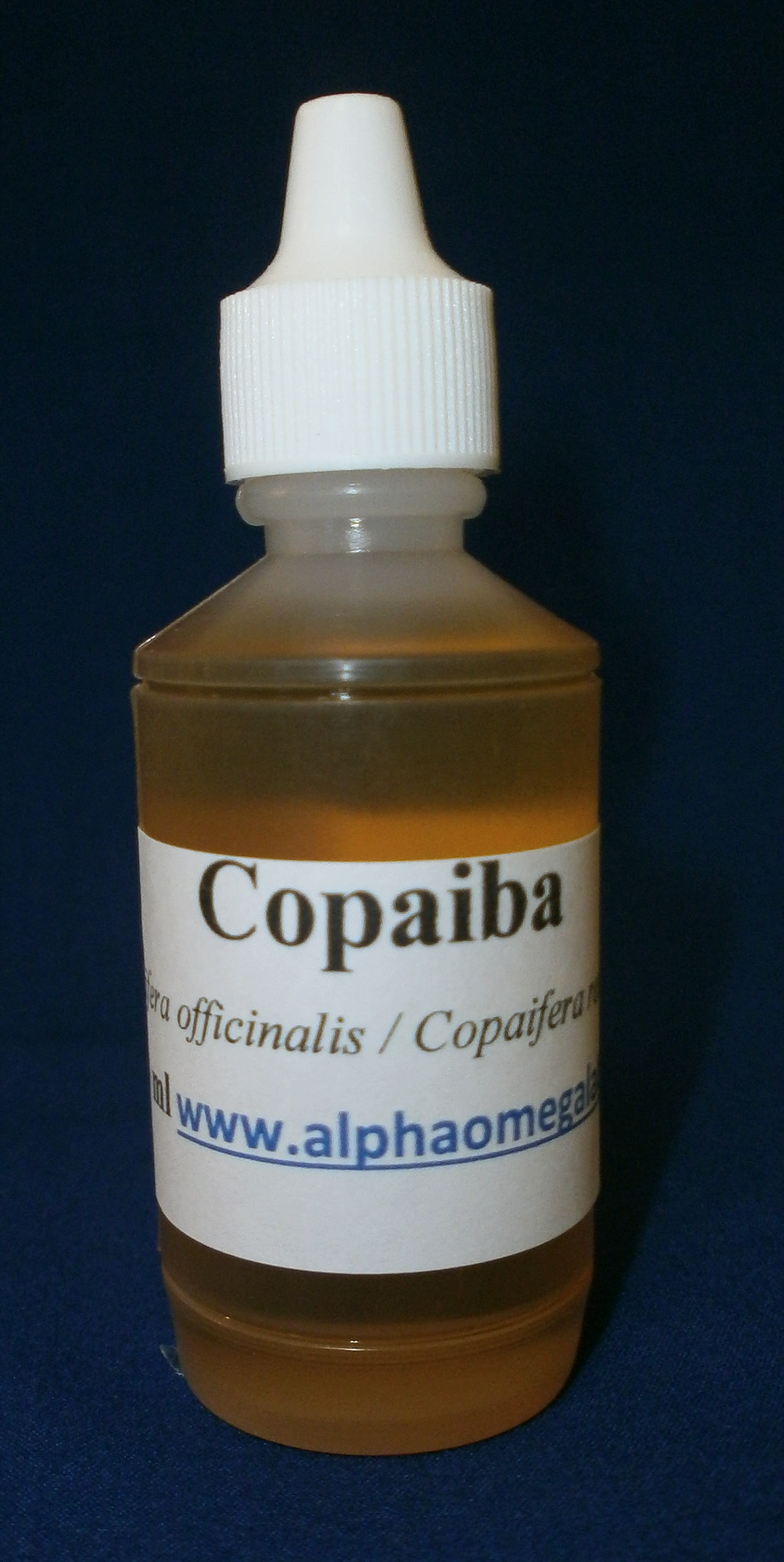
Copaiba

Copaiba -- Essential Oil
(Tree resin mix of Copaifera officinalis
with Copaifera reticulata, cold-filtered)


Net : One Fluid Ounce (30 ml.)

Email

Summarized Description: Copaiba is a collective term for a wide variety of small, tropical trees from the Caesalpiniaceae subfamily. It's ethnobotanical use is most probably thousands of years old. In the West, it first appears, according to John Uri Lloyd (1898) in manuscripts dating to the fifteenth century.
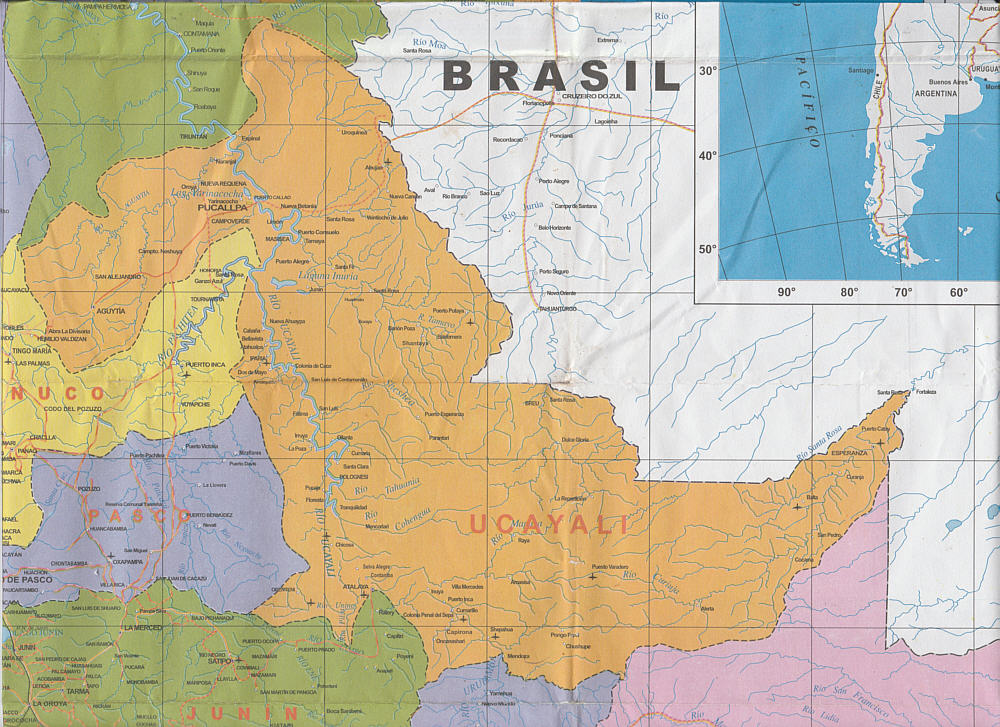
This product comes from wild-crafted copaiba sap that has been harvested by Shipibo speaking associates and collectors of the Ucayali Region of Peru.
Copaiba has a long history of traditional use, both topically and internally.
Leslie Taylor reports that researchers in Tokyo were successful in isolating "six chemicals (clerodane diterpenes) in the oleoresin of copaiba in 1994 and tested them against carcinomas in mice to determine their antitumor activity. One particular compound, called kolavenol, was twice as effective at increasing the lifespan in mice with carcinomas (by 98%) as the standard chemotherapy drug, 5-Fluorouacil (5-FU) . . . Interestingly, the in vivo tests provided better anti-tumor effects than in previous test-tube studies." She goes to report that a team of Spanish researchers "documented copaiba's antimicrobial effects in 2002 also tested for in vitro antitumor effects. These scientists reported that another phytochemical in the resin, methlyl copalate, had in vitro activity against human lung carcinoma, human colon carcinoma, human melanoma, and mouse lymphoid / neoplasm cell lines. Brazilian researchers reported in 2002 that one of copaiba's active chemicals, kaurenoic acid, also inhibited the growth of human leukemic cells by 95%, and human breast and colon cancer cells by 45% in vitro. Kaurenoic acid can comprise as much as 1.4% of the natural copaiba oleoresin. ( 1 )



Uses & Protocols
Traditional uses are provided below. We recommend that when used topically, it be used sparingly at first -- one drop at a time. Copaiba is, for many people, a mild irritant. Nothing major -- just noticeable.
Internally, we recommend putting 5 drops in hot water or even green tea and drinking. Our copaiba has pleasant smell and taste.


Warnings & Contraindications
Do not use internally if attempting to conceive, are pregnant, or are lactating. In certain individuals if used internally to excess, it can irritate mucous membrane and cause a cough reflex. The resin can cause a measles-like rash in those who are allergic to it. Use sparingly � initially one drop at a time. Do not apply in or around the eyes.
Never take internally in dosages greater than a teaspoon (5 ml.) Excess dosing can incur nausea, vomiting, rashes, stomach pain, and lose of equilibrium.
Similar to garlic, copaiba imparts a "peculiar odor to the urine and breath" when taken internally in sufficient quantity. "As of July 2007, the FDA Poisonous Plant Database listed two titles alluding to toxicity of this species." ( 2 )

Shelf-Life
Five years or more.
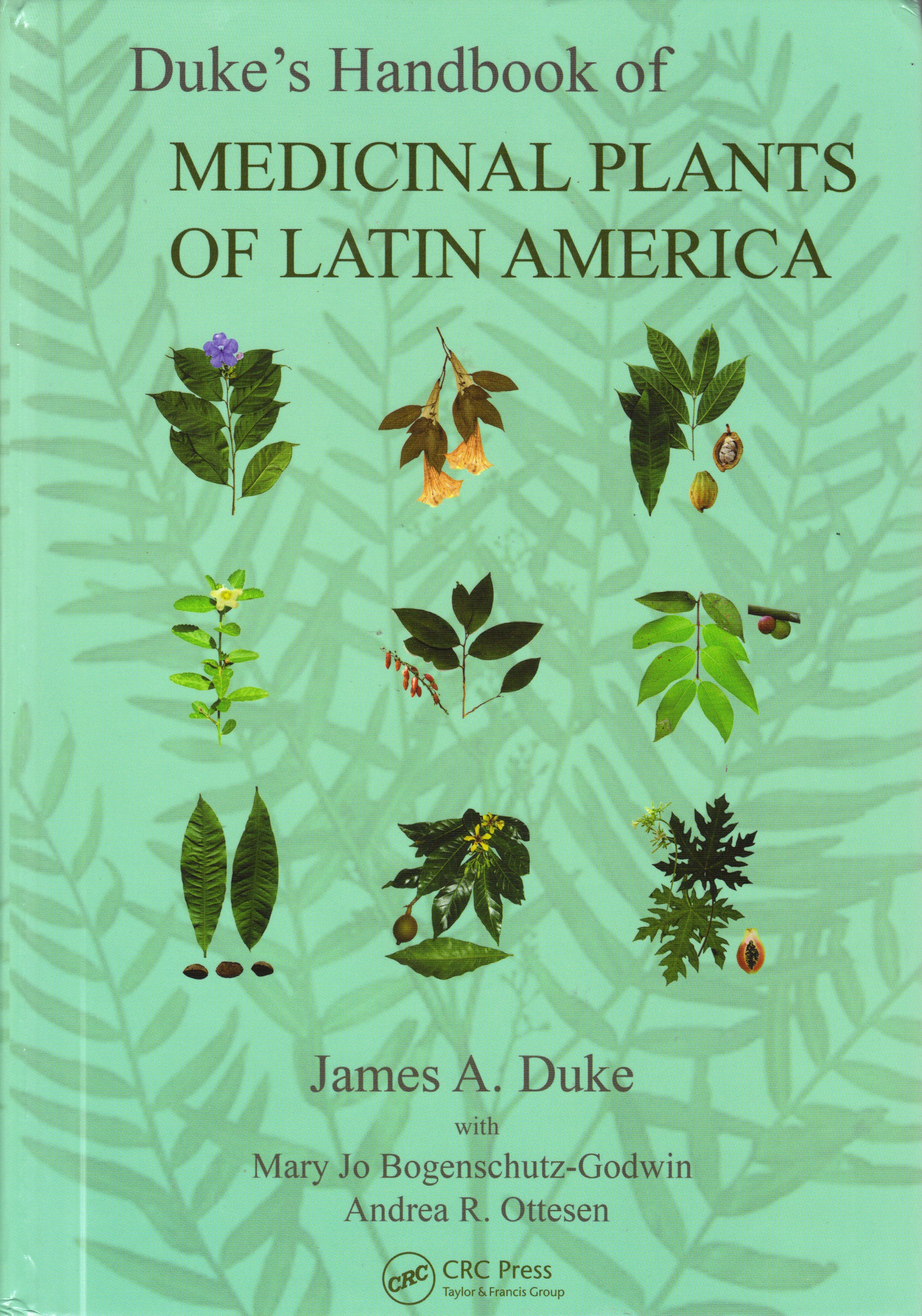
James Duke's Handbook of Medical Plants of Latin America
Medicinal Activities
Further information for practitioners: World-famous botanist Dr. James Duke attributes the following activities to this plant (p. 228-230; see hardcopy cover at right), drawn from the extant literature. (See his graduation for "level of efficacy" on our amazon traditionals page; followed by Duke's bibliographic abbreviations (in capital letters), which we identify on a separate page.)

  • Analgesic (f1; RAI);
  • Antacid (f; RAI);
  • Antiedemic (1; PR15:476);
  • Antiinflammatory (1; MPB; PR15:476; X3352280);
  • Antiseptic (f1; JAD; PH2; RAI);
  • Antitumor (f; RAI);
  • Antitussive (f; RAI);
  • Antiulcer (f1; RAI);
  • Bactericide (1; PH2; RAI);
  • Balsamic (f; MPG);
  • Carminative (f; JAD);
  • Diuretic (f; RAI);
  • Emetic (f; JAD; MPB);
  • Emollient (f; HOE; RAI);
  • Expectorant (f; JAD; RAI);
  • Fungicide (f1; RAI);
  • Gastroprotective (f1; RAI);
  • Hemostat (f; RAI);
  • Hydragogue (f; JAD);
  • Hypotensive (f; MPG);
  • Laxative (f; MPB);
  • Mucolytic (f; RAI);
  • Secretolytic (f; RAI);
  • Stimulant (f; JAD);
  • Stomachic (f; MPG);
  • Urinary Antiseptic (1; PH2);
  • Vermifuge (f; RAI);
  • Vulnerary (f1; MPG; RAI).


Indications
Further information for practitioners: Duke provides the following indications for this plant:
  • Arthritis (f1; EGG);
  • Asthma (f; EGG; MD2);
  • Bacteria (f1; PH2; RAI);
  • Bleeding (f; RAI);
  • Blennorrhagia (f; MPG);
  • Bronchosis (f; DLZ; EGG; RAI);
  • Burns (f; DLZ; MD2);
  • Cancer (f1; EGG; MPG; RAI);
  • Cancer, breast (f1; EGG; MPG; RAI);
  • Cancer, colon (f1; EGG; MPG; RAI);
  • Cancer, lung (f1; EGG; MPG; RAI);
  • Carcinoma (2 x 5-Fluorouacil -- 1; RAI);
  • Catarrh (f; MPG);
  • Chilblains (f; JAD; RAI);
  • Colds(f; EGG);
  • Colic (f; MD2);
  • Constipation (f; MPB; RAI);
  • Coughs (f; EGG; RAI);
  • Cystosis (f; DLZ; JAD; MAD; RAI);
  • Dandruff (f; RAI);
  • Dermatosis (f; DAW, EGG, RAI);
  • Diarrhea (f; JAD);
  • Dislocation (f; DLZ);
  • Dropsy (f; JAD; MAD);
  • Dysentery (f; MPG; RAI);
  • Dysuria (f; MAD);
  • Earache (f; EGG);
  • Eczema (f; DAW; RAI);
  • Edema (f1; PR15:476; RAI);
  • Enterosis (f; RAI);
  • Fever (f; MAD);
  • Flu (f; RAI);
  • Fungus (f1; MD2; RAI);
  • Gas (f; JAD; RAI);
  • Gastrosis (f1; RAI);
  • Gonorrhea (f; DAW; JAD; MAD; MD2; RAI);
  • Hemorrhoids (f; EGG, MAD);
  • High Blood Pressure (f; EGG; MPG; RAI);
  • Incontinence (f; DLZ; RAI);
  • Indigestion (f; RAI);
  • Infection (f1; JAD; PH2; RAI);
  • Inflammation (f1; EGG; MPB; PH2; PR15:476; RAI; X3352280);
  • Itch (f; EGG; RAI);
  • Kidney Stones (1; PH2);
  • Leishmania (f; RAI);
  • Leukemia (1; RAI);
  • Leukorrhea (f; MPG);
  • Lymphoma (1; RAI);
  • Melanoma (1; RAI);
  • Mucososis (f; PH2, RAI);
  • Myalgia (f; EGG, RAI);
  • Mycosis (f1; EGG; MD2; RAI);
  • Nephrosis (f; DLZ; RAI);
  • Oliguria (f; RAI);
  • Onychosis (f1; RAI);
  • Pain (f1; EGG; RAI);
  • Phthisis (f; DLZ);
  • Pleurisy (f; RAI);
  • Pneumonia (f; MPG; RAI);
  • Psoriasis (f; MAD; MPG);
  • Pulmonosis (f; MAD; PH2, RAI);
  • Respirosis (r; RAI);
  • Rheumatism (f; DLZ; MAD);
  • Sinusosis (f; RAI);
  • Sores (f; DLZ; MD2);
  • Sore Throat (f; MAD; RAI);
  • Swelling (f; RAI);
  • Syphilis (f; RAI);
  • Tetanus (f; EGG);
  • Tonsilosis (f; EGG);
  • Tuberculosis (f; RAI);
  • Ulcers (f1; EGG; RAI);
  • UTIs (f1; PH2; RAI);
  • Vaginosis (f; RAI);
  • VD (f; IED; MAD; RAI);
  • Worms (f; RAI);
  • Wounds (f1; DLZ; MD2; MPG; RAI).

Footnotes
  1. Taylor, Leslie (N.D.); The Healing Power of Rainforest Herbs, A Guide to Understanding and Using Herbal Medicinals, Square One Publishers, Garden City Park, NY. ISBN: 0-7570-0144-0. p. 250-255
  2. Duke, p. 230.


To U.S. Users: This product have not been evaluated by the U.S. Food & Drug Administration. It is not intended to diagnose, treat, cure, or prevent any disease.

Bienvenidos a Ucayali
Sourcing From
The Peruvian
Amazon

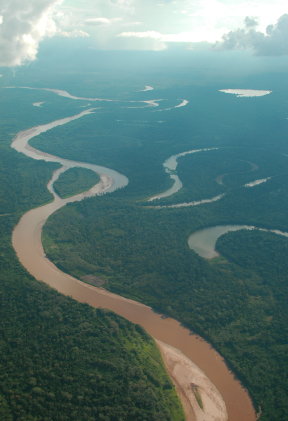
All the materials used to make our Copaiba are wild-crafted from sources in the Ucayali Region of Peru.

Dosages &
Ethnobotanical
Usage
Duke, quite predictably, provides a "food farmacy potential" score for this plant of, "FNFF=?" ("Very questionable survival food . . .). Dosages: 0.5 to 1 g. capsule (MAD); 25-30 drops tincture 3x/day (MAD); 5-15 drops copaiba/cup hot water 2-3x/day (RAI).
  • Bolivia: Bronchitis, burns, cystosis, dislocated bones, incontinence, nephrosis, phthisis, rheumatism, sores, syphilis, and wounds (DLZ).
  • Brazil: Bacterial infection, bronchitis, cancer, cough, cystitis, dandruff, dermatitis, diarrhea, dysentery, enterosis, flu, gastritis, gonorrhea, high blood pressure, incontinence, infection, inflammation, nephritis, pain, parasites, pharyngitis, pneumonia, psoriasis, pulmonosis, respirosis, sinusitis, sores, sore throat, syphilis, tetanus, tonsilitis, tumors, pulmonosis, respirosis, sinusitis, sores, sore throat, syphilis, tetanus, tonsilitis, tumors, ulcers, urethrosis, UTIs, vaginosis, and wounds (MPB; RAI).
  • Peru: (using C. reticulata or C. officinalis or C. paupera) -- cicatrizant, gonorrhea, psoriasis, and sores (SAR); bleeding bronchoses, catarrh, edema, gastrosis, herpes, incontinence, Leishmania, myalgia, oliguria, pleurisy, sore throat, syphilis, tetanus, tuberculosis, urinary incontinence, UTIs, vaginosis, and wounds (DAV).
  • Panama: Yaviza negroes mix copaiba with honey and put in the mouths of newly born to impart knowledge and ward off hexes; also used for VD (IED).