|
Traditional Amazonian Herb
Espinheira Santa
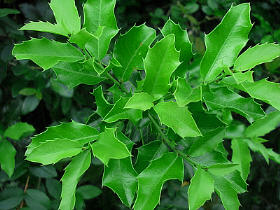
Espinheira Santa
(Maytenus ilicifolia)
120 Capsules x 500 mg.
 Email
 Summarized Description:
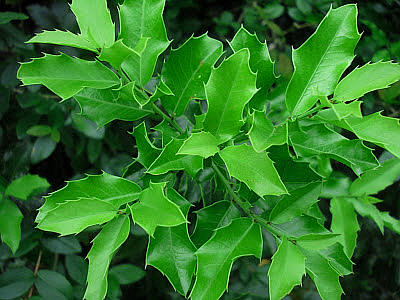
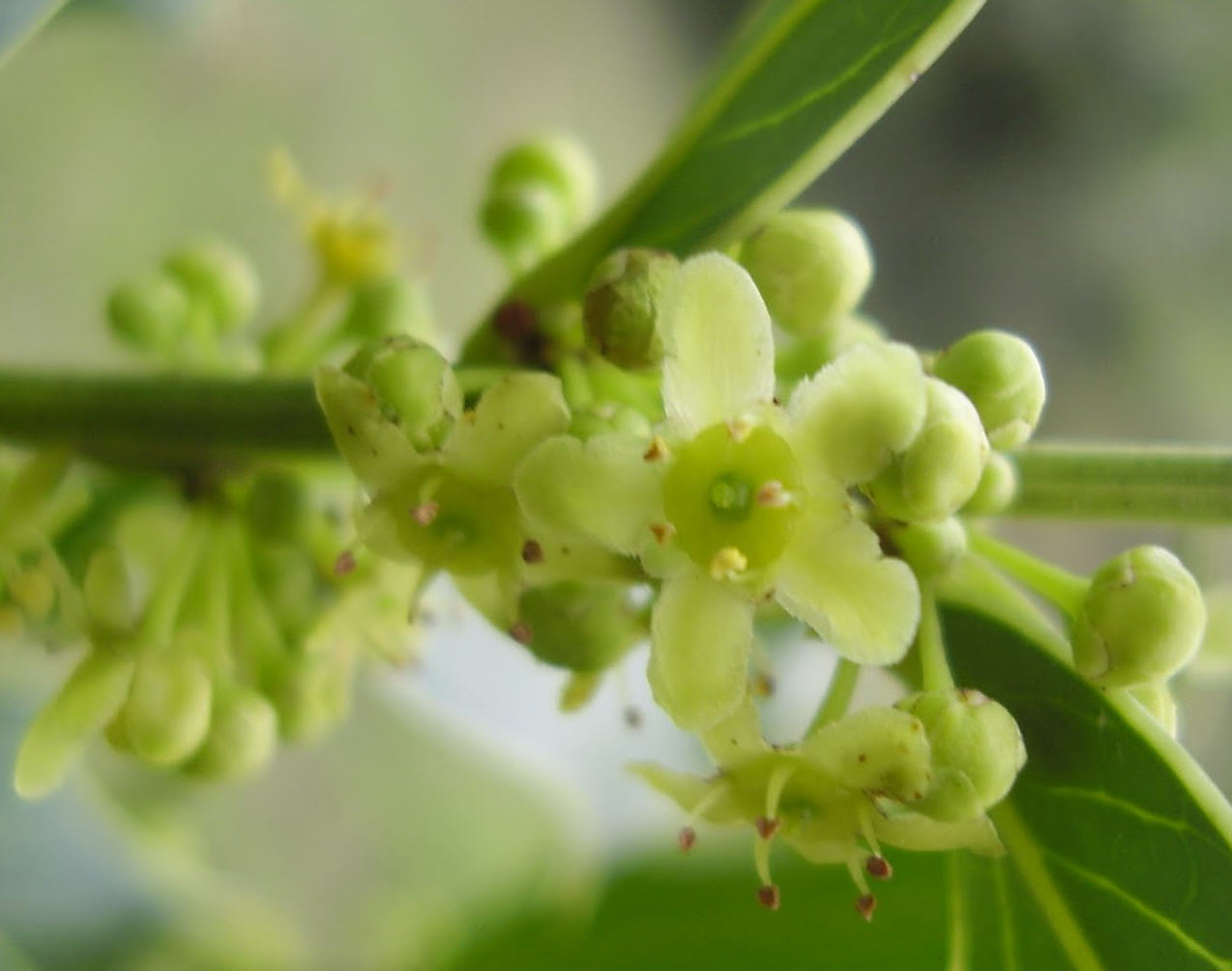
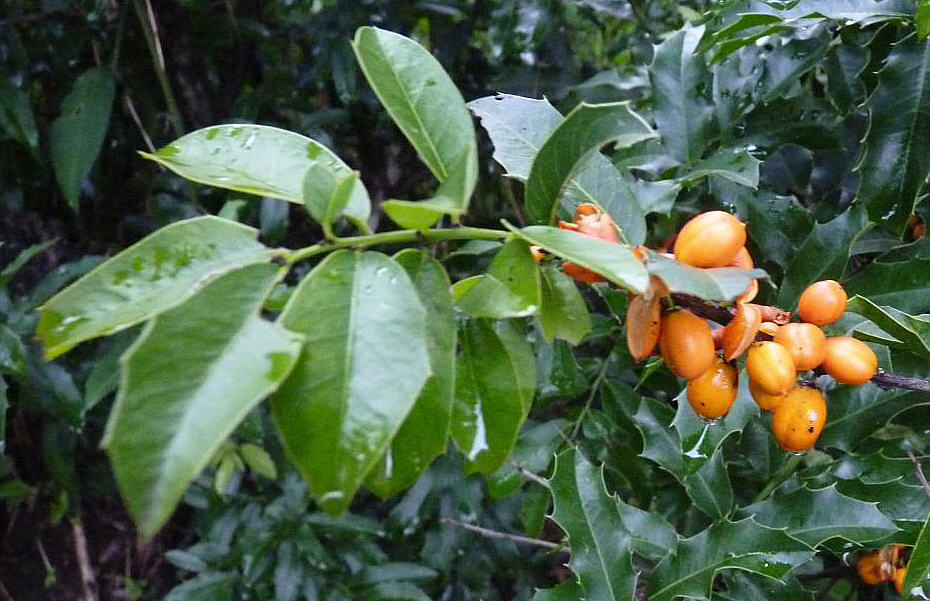
Espinheira Santa (Holy Thorn) is a small evergreen tree that grows
up to 5 meters in height. It's name comes from its thorny leaves
and berries, which resemble holly. This variety of Maytenus is found
in various locations throughout the Amazon.
Uses & Protocols
A tea made from Espinheira Santa (Holy Thorn) has
long been used in Brazil as a traditional digestive tea.
Extensive studies have been conducted on this herb,
based on its long-standing traditional use. Unlike
many medicinal herbs that we carry, this herb has extremely low toxicity, meaning that
most "overdosages" do not carry dangerous consequences. (Two reports shows no toxicity
on rats and mice up to 1 g. per kg. of body weight!)
This herbal is one of several members of the
Maytenus genus that has been the subject of laboratory
research. (Taylor, p. 277)
Warnings & Contraindications
Not recommended for women seeking to get pregnant,
already pregnant, or with estrogen-positive cancers.
Shelf-Life
Five years or more.
Medicinal Activities
Further information for practitioners:
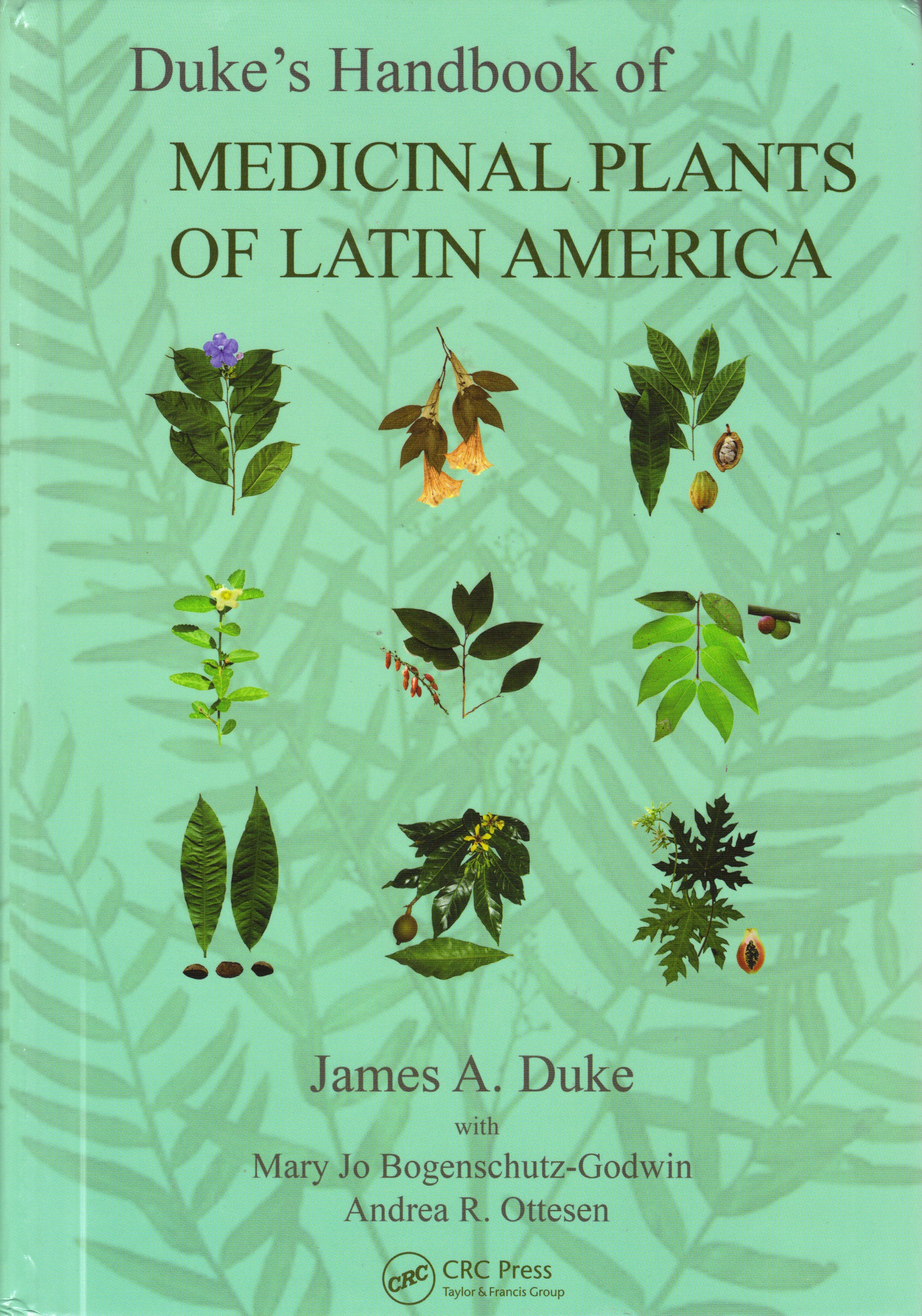
World-famous botanist Dr. James Duke attributes the following activities
to this plant (p. 444-445; see hardcopy cover at right,
purchasable on Amazon),
drawn from the extant literature. (See his graduation for "level of
efficacy" on our amazon traditionals page;
followed by Duke's bibliographic abbreviations (in capital letters),
which we identify
on a separate page.)
Duke provides a " food farmacy potential" score for this
plant of "FNFF=!."
- Abortifacient (f1; MPG; RAI)
- Adrenergic (f; RAI)
- Analgesic (f; MPG; RAI)
- Antiasthmatic (f; MPG)
- Antifertility (f; RAI)
- Antiimplantation (1; MPG; RAI)
- Antileukemic (1; MPG; RAI)
- Antisarcomic (1; HH2)
- Antiseptic (1; HH2; MPB; MPG; PH2; RAI)
- Antispasmodic (f; MPG)
- Antitumor (f1; MPB; PH2; RAI)
- Antiulcer (1; HH2; MPB; MPG; PH2)
- Aphrodisiac (f; RAI)
- Bactericide (1; HH2)
- Candicide (1; HH2)
- Cicatrizant (f; MPG)
- Contraceptive (f; RAI)
- Cytotoxic (1; MPG; PH2; RAI)
- Depurative (f; MPB)
- Detoxicant (f; RAI)
- Diuretic (f1; MPG)
- Embyotoxic (1; HH2)
- Emmenagogue (f; MPG; RAI)
- Estrogenic (1; RAI)
- Fungicide (1; HH2)
- Gastrogogue (1; MPG)
- Laxative (f; RAI)
- Nephrotonic (f; RAI)
- NO-Genic (1; X16243464)
- Sialagogue (f; MPG; RAI)
- Teratogenic (1; HH2)
- Tonic (f; MPB)
- Vasorelaxant (1; X16243464)
- Vulnerary (f; RAI)
Indications
Further information for practitioners:
Duke provides the following indications for this plant:
- Acne (f; HH2)
- Alcoholism (f; PH2)
- Anemia (f; PH2; RAI)
- Asthma (f; MPG; PH2; RAI)
- Bacteria (1; HH2)
- Cancer (f1; HHB; JLH; MPB; PH2; RAI)
- Cancer, breast (1; HH2)
- Cancer, head (1; HH2)
- Cancer, ovary (1; HH2; RAI)
- Cancer, skin (1; HHB; JLH; PH2)
- Cancer, throat (1, HH2)
- Candida (1; HH2)
- Colic (f; RAI)
- Constipation (f; RAI)
- Dermatosis (f1; HHB; JLH; PH2; RAI)
- Diarrhea (f; RAI)
- Duodenosis (f; HH2)
- Dysmenorrhea (f; RAI)
- Dyspepsia (f; PH2; RAI)
- Eczema (f; HH2; PH2)
- Enterosis (f; PH2)
- Escherichia (1; HH2)
- Exhaustion (f; PH2)
- Fever (f; MPB)
- Fungus (1; HH2)
- Gas (f; PH2)
- Gastrosis (f; HH2; MPB; PH2)
- Hepatosis (f; RAI)
- Hodgkin's (1; HH2)
- Hyperacidity (f; MPB; PH2)
- Impotence (f; RAI)
- Infection (1; HH2; MPB; MPG; PH2; RAI)
- Inflammation (f; PH2)
- Leukemia (1; FNF; HH2; MPG; RAI)
- Lymphoma (1; HH2; RAI)
- Melanoma (1; FNF; HH2)
- Mycosis (1; HH2)
- Oliguria (f; RAI)
- Ophthalmia (f; PH2)
- Pain (f; MPG; PH2; RAI)
- Rashes (f; RAI)
- Respirosis (f; RAI)
- Rheumatism (f; RAI)
- Salmonella (1; HH2)
- Sarcoma (1; HH2)
- Shigella (1; HH2)
- Sores (f; HH2; MPB; PH2)
- Spasms (f; MPG; RAI)
- Staphylococcus (1; HH2)
- Streptococcus (1; HH2)
- Swelling (f; PH2)
- Ulcers (f1; HH2; MPB; MPG; PH2)
- UTIs (f; RAI)
- Wounds (f; MPB; RAI)
- Yeast (1; HH2)
|
To U.S. Users: This product
have not been evaluated by the U.S. Food & Drug Administration.
It is not intended to diagnose, treat, cure, or prevent any disease.
|
 Recent Studies on
Espinheira Santa
Sourced from PubMed
Disclaimer: The following citations provide findings on the
properties of Espinheira Santa and offer insights into prospective areas of future research.
These findings should not be inferred to provide the basis of medicinal claims,
nor should they be relied upon by the public, as such. Readers who want full access to
the PubMed database are encouraged to
register with NCBI.
As of Jan. 2017, there were
73 citations on PubMed for Espinheira Santa. Below are list a few of the more notable:
-
A polysaccharide from a tea (infusion) of Maytenus ilicifolia leaves with anti-ulcer protective effects. (2006)
-
Evaluation of antinociceptive, anti-inflammatory and antiulcerogenic activities of Maytenus ilicifolia. (2004)
-
Evaluation of the anti-ulcerogenic activity of a dry extract of Maytenus ilicifolia Martius ex. Reiss produced by a jet spouted bed dryer. (2003)
-
Antimutagenic activity of extracts of natural substances in the Salmonella/microsome assay. (2003)
{Includes, in the study, Maytenus ilicifolia and Peltastes peltatus}
-
Effect of Maytenus ilicifolia Mart. on pregnant mice. (2002)
[Abstract: Maytenus ilicifolia Mart. is used in Brazilian herbal medicine particularly for stomach disorders, but it is also used,
as in other parts of South America, for fertility control. To verify its potential as an abortifacient, the lyophilized hydroalcoholic extract of
its leaves was administered orally at a dose of 1000 mg/kg/day to mice between the first and third day of pregnancy (DOP), between
the fourth and sixth DOP, or between the seventh and ninth DOP. The extract caused a pre-implantation embryonic loss, but it did not have
an effect on implantation or organogenesis. Morphological alterations of the reproductive system, not an embryotoxic effect, were not found.
Estrogenic activity of the extract, exhibited by an uterotrophic effect, suggests that it may be interfering with the uterine receptivity to the embryo.]
 Extensive information about
Anamu is covered on the Raintree Forest website.
Even better, you can purchase Leslie Taylor's excellent reference book,
The Healing Power
of Rainforest Herbs: A Guide to Understanding and Using Herbal Medicinals at Amazon.
|