Memory is defined as the mental registration, retention, and recall of past experiences,
knowledge, ideas, sensations, and thoughts. Registration of experience is favored by
clear comprehension during intense consciousness. Retention is usually determined by how
exciting or dull an experience is. Recall means the reproduction of a memory in
consciousness. Recall may fall because the memory has been obliterated or because an
individual does not wish to remember. Old age sometimes causes the memory to fail due to
Alzheimer's Disease or dementia. Memory loss or confused memory may also be caused by
maniacal states, paranoia, or brain disease. Short-term memory loss is the inability to
recall events in the immediate past, where as long-term involves the lack of recall of
experiences and information in the distant past. There is also impaired memory, in which
the individual is unable to remember bits of information or behavioral skills. Impaired
memory may be attributed to pathophysiological or situational causes that are either
temporary or permanent.
Helpful Links:

General Memory Loss
(Concentration)

emporary lapse of memory
is a normal and very common occurrence. Everyone experiences it at one time or another,
however, these occurrences become more frequent as the individual ages. Part of the
normal age-related decline in memory results from the cumulative demands on attention that
build over a lifetime. A deficiency of neurotransmitters (the brain's chemical messengers),
is another aspect of age-related memory loss. Acetylcholine, a chemical in the brain that
is involved in the conversion of "working memory" into "permanent memory", can be increased
by nutritional supplements.
 Memory loss that involves information
necessary to function normally is cause for medical attention. This kind of loss includes
forgetting where one lives or a loved one's name. Dementia (see Alzheimer's) is a
progressive loss of memory and inability for the brain to function properly. Dementia
sometimes occurs in those younger than 50, and may be related to viral infections,
alcoholism, thyroid disorders, manic or severe depression, and brain tumor, among others.
There are many ways to help maintain memory
function and improve concentration and mental performance. Physical activity, especially
aerobic, is essential. Learning new things and practicing memorizing is important as well,
as is eating colorful fruits and vegetables that are rich in carotenes and flavonoids.
Additionally, there are a number of herbal supplements that are extremely helpful in
maintaining a healthy and functioning memory.
Ginkgo is perhaps the most
well-known and popular herb these days, and it has been the subject of many studies.
Siberian Ginseng has
also traditionally been used to support memory and overall health.
Because Nettles contains
the mineral boron which can double the levels of estrogen in the body, and studies have
proven that estrogen helps improve short-term memory, this is a very helpful supplement as
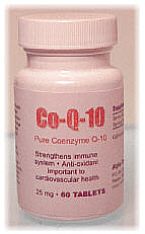
well. Co-Q-10 (or "ubiquinone") is a
fat-soluble vitamin central to the body's production of energy. Lack of oxygen utilized
by the brain is believed to be involved in impaired memory.
Maca root is full of minerals and
vitamins including amino acids, vitamins B1, B2, B12, C, and E, and calcium and zinc, just
to name a few. It is an excellent supplement in promoting mental clarity. Additionally,
Schizandra
has traditionally been used to support sleep, memory, and concentration. Finally,
Kava root has
traditionally been used to promote relaxation.
Memory loss that involves information
necessary to function normally is cause for medical attention. This kind of loss includes
forgetting where one lives or a loved one's name. Dementia (see Alzheimer's) is a
progressive loss of memory and inability for the brain to function properly. Dementia
sometimes occurs in those younger than 50, and may be related to viral infections,
alcoholism, thyroid disorders, manic or severe depression, and brain tumor, among others.There are many ways to help maintain memory
function and improve concentration and mental performance. Physical activity, especially
aerobic, is essential. Learning new things and practicing memorizing is important as well,
as is eating colorful fruits and vegetables that are rich in carotenes and flavonoids.
Additionally, there are a number of herbal supplements that are extremely helpful in
maintaining a healthy and functioning memory.
Ginkgo is perhaps the most
well-known and popular herb these days, and it has been the subject of many studies.
Siberian Ginseng has
also traditionally been used to support memory and overall health.
Because Nettles contains
the mineral boron which can double the levels of estrogen in the body, and studies have
proven that estrogen helps improve short-term memory, this is a very helpful supplement as
well. Co-Q-10 (or "ubiquinone") is a
fat-soluble vitamin central to the body's production of energy. Lack of oxygen utilized
by the brain is believed to be involved in impaired memory.
Maca root is full of minerals and
vitamins including amino acids, vitamins B1, B2, B12, C, and E, and calcium and zinc, just
to name a few. It is an excellent supplement in promoting mental clarity. Additionally,
Schizandra
has traditionally been used to support sleep, memory, and concentration. Finally,
Kava root has
traditionally been used to promote relaxation.
Note:
This information is provided for educational purposes only
and is not intended to replace the use of a qualified
health care professional. We strongly recommend the use
of a physician for the diagnostic phase of any treatment.
With an accurate diagnosis in hand, we believe the consumer,
at that point, has a basic, unalienable right to seek out
factual information on all therapeutic approaches, both
orthodox and alternative, and choose those approach(es)
that are right for them. Nonetheless, a "good doctor"
should be considered a requisite starting point.To U.S. Users:
None of the products mentioned on this page have been
evaluated by the U.S. Food & Drug Administration;
therefore, they are not intended to diagnose, treat,
cure, or prevent any disease.