|
Traditional Brazilian Herb
Mulungu
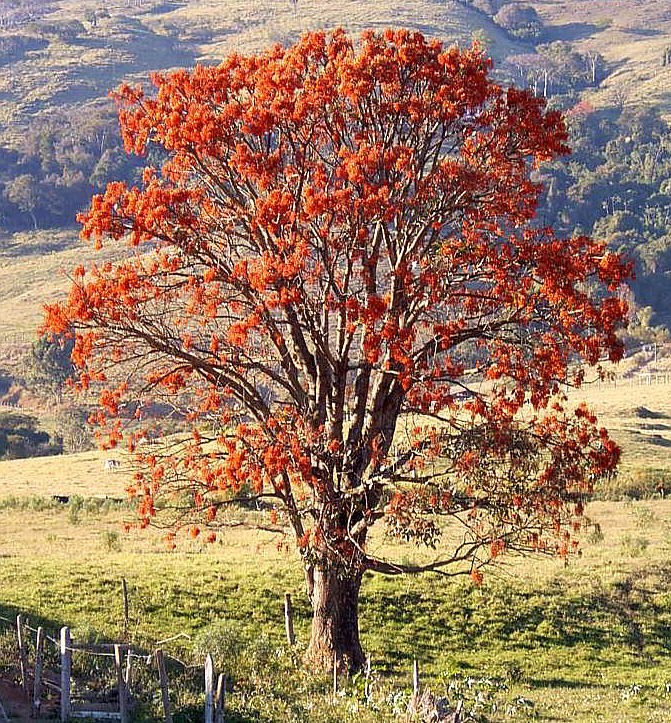
 Summarized Description:
Mulungu (E. mulungu or E. verna) is a medium-sized, ornamental tree
native to Brazil.
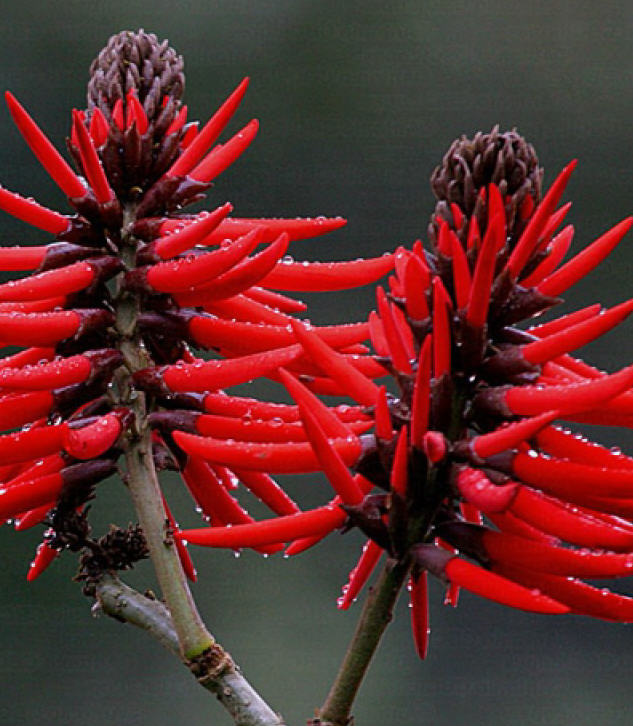
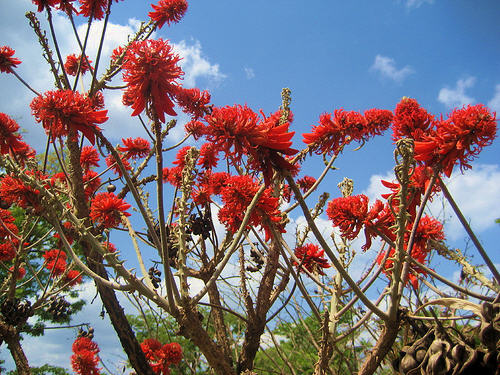
It grows to a height of 10 to 15 meters and is noted for its attractive flowers that vary
from red to orange. Unlike many of the herbals we work with, Mulungu is, at this time,
fairly unknown outside of South America -- surprisingly because of its long-standing
medicinal uses here. The traditionally utililed medicinal parts include the bark and root. Uses & Protocols
Mulungu has long been in use among Brazilian
herbalists, traditionally as a calming herb. It has also been
the subject of research. Dosage: one capsule, two
times a day.
Warnings & Contraindications
This herbal can cause drowsiness, so it shouldn't be used
when it's important to be alert. It can potentiate anti-stress and antihypertensive drugs.
Those on blood lowering medication should use Mulungu with caution, monitoring their blood
pressure accordingly.
Shelf-Life
Five years or more.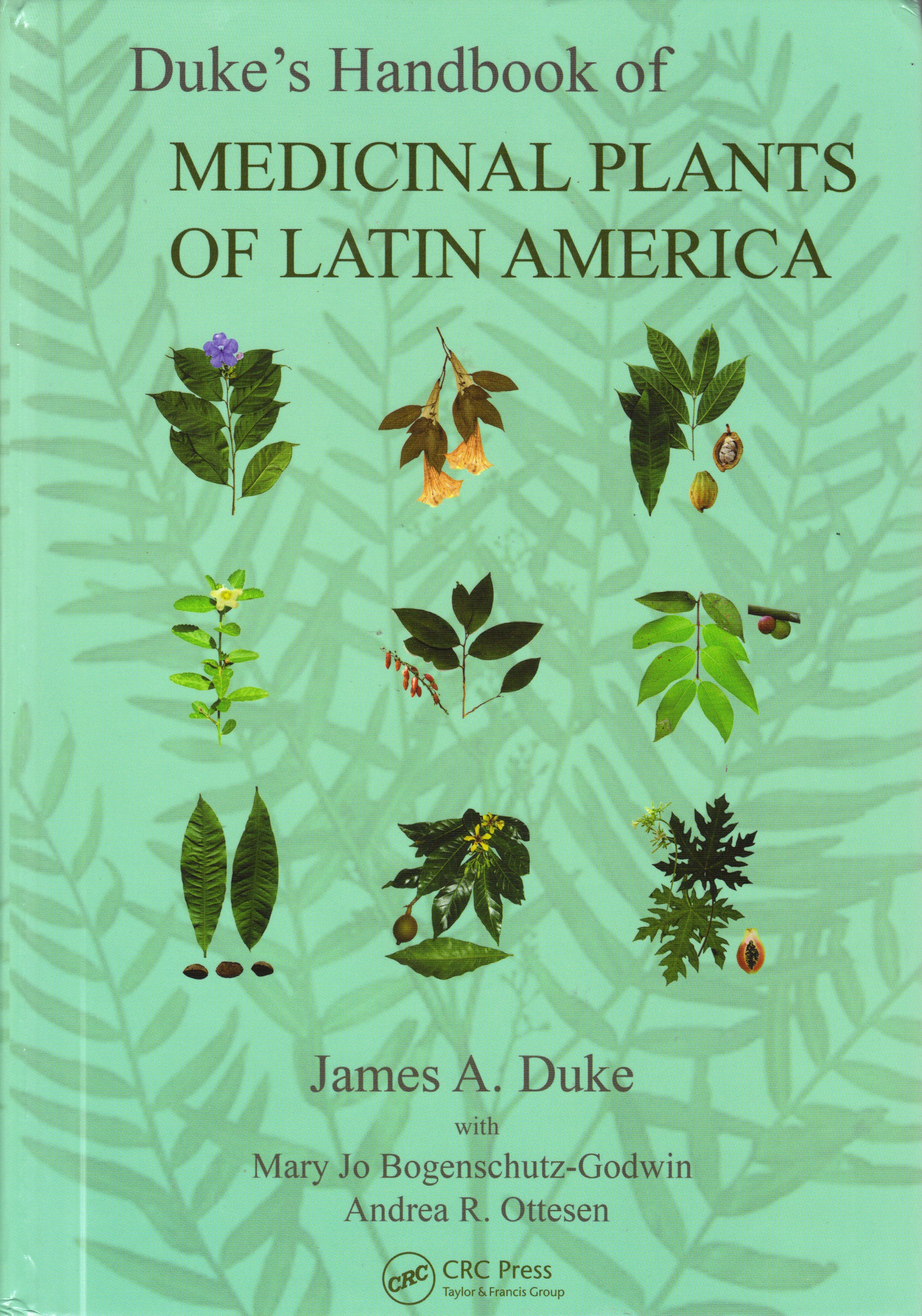
Reported Activities
Further information for practitioners:
World-famous botanist Dr. James Duke attributes the following activities
to this plant (p. 305-307; see hardcopy cover at right),
drawn from the extant literature. (See his graduation for "level of
efficacy" on our amazon traditionals page;
followed by Duke's bibliographic abbreviations (in capital letters),
which we identify
on a separate page.) Duke provides a "food farmacy potential" score for this
plant of "FNFF=?."
Reported Uses
Further information for practitioners:
Duke lists the following reported uses for this plant:
|
 Recent Studies on Mulungu Sourced from PubMed Disclaimer: The following citations provide findings on the
properties of Mulungu and offer insights into prospective areas of future research.
These findings should not be inferred to provide the basis of medicinal claims,
nor should they be relied upon by the public, as such. Readers who want full access to
the PubMed database are encouraged to
register with NCBI.As of Jan. 2017, there were just 14 citiations covering
"Erythrina mulungu." Below we list a few of the more notable:
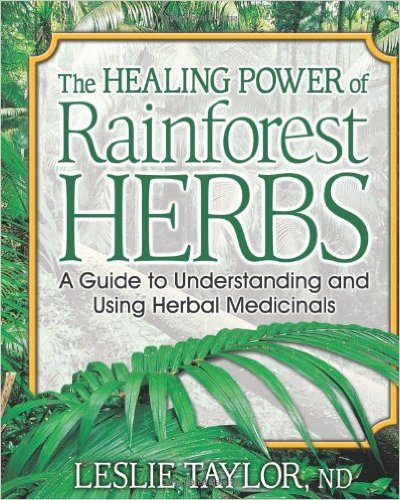 Extensive information about
Mulungu is covered on the Raintree Forest website.
Even better, you can purchase Leslie Taylor's excellent reference book,
The Healing Power
of Rainforest Herbs: A Guide to Understanding and Using Herbal Medicinals at Amazon.Mulungu is described in
Wikipedia. |
