|
Traditional Adaptogen and Tonic
Suma
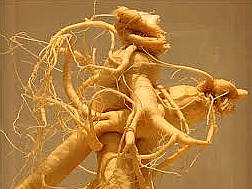
 Summarized Description:
Suma has varied common and botanical names, which can make it
confusing. Taylor refers to it as Pfaffia paniculata; Duke prefers
Hebanthe eriantha, but lists other acceptable scientific names
as Gomphrena paniculata or Hebanthe paniculata. Other
common names besides Suma include Brazilian ginseng, Carango Acu,
Paratudo, Russian Secret, and Para Tudo ("for everything") which is a reference
to many Brazilian herbalist's belief that it is a veritable panacea --
an exaggeration perhaps, but certainly a sign of reverence. Uses & Protocols
Among the indigenous in Brazil, Suma is used
primarily as a general tonic (taken in tea form), as a rejuvenating, energy,
and sexual tonic; calming agent; aphrodisiac; and calming agent. With the advent
of more thorough investigations, additional traditional uses have been described by
modern practitioners: as an adaptogen, for memory and muscle strength,
and as a general restorative.
Warnings & Contraindications
Women with estrogen-positive cancers should avoid.
Dosage should be reduced if stomachic or gastric discomfort result. No drug
contraindications reported.
Shelf-Life
Five years or more.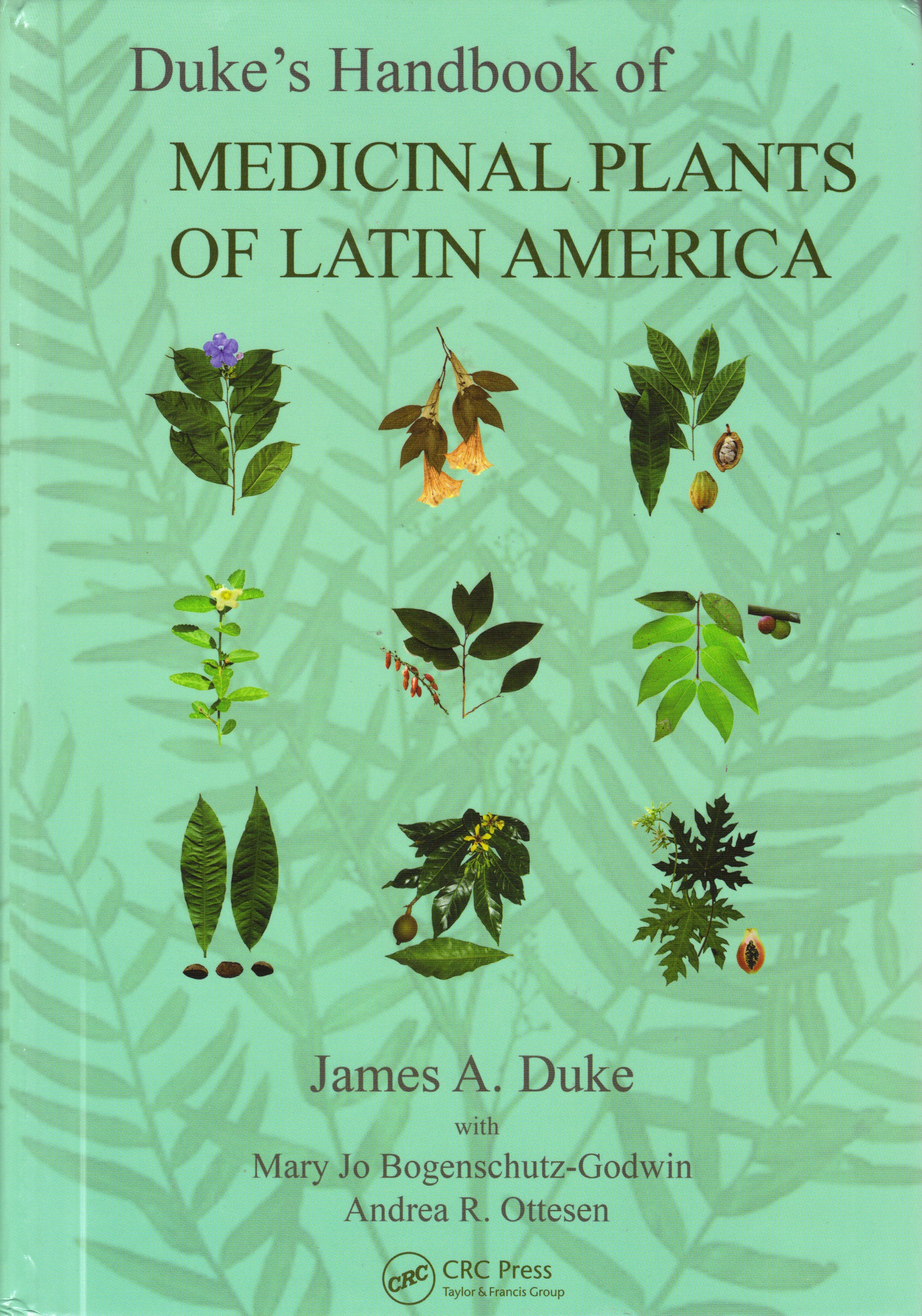
Medicinal Activities
Further information for practitioners:
World-famous botanist Dr. James Duke attributes the following activities
to this plant (p. 347-349; see hardcopy cover at right),
drawn from the extant literature. (See his graduation for "level of
efficacy" on our amazon traditionals page;
followed by Duke's bibliographic abbreviations (in capital letters),
which we identify
on a separate page.) Duke provides a "food farmacy potential" score for this
plant of "FNFF=!."
Indications
Further information for practitioners:
Duke provides the following indications for this plant:
|
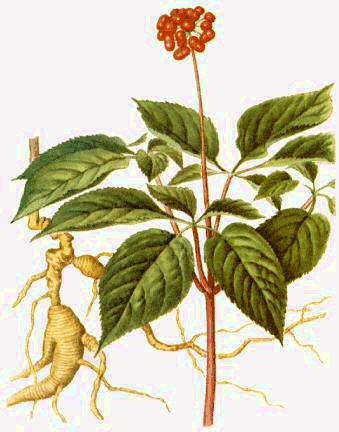
 Recent Studies on Suma Sourced from PubMed Disclaimer: The following citations provide findings on the
properties of Suma and offer insights into prospective areas of future research.
These findings should not be inferred to provide the basis of medicinal claims,
nor should they be relied upon by the public, as such. Readers who want full access to
the PubMed database are encouraged to
register with NCBI.As of Jan. 2017, there were three citations for
Hebanthe eriantha and three under Pfaffia paniculata
. . . Below we list a few of the more notable:
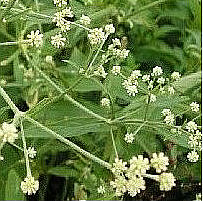
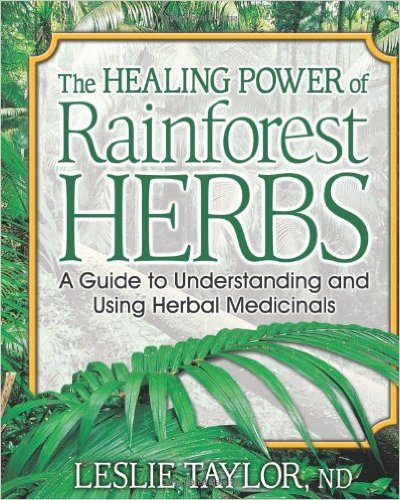 Extensive information about
Suma is covered on the Raintree Forest website.
Even better, you can purchase Leslie Taylor's excellent reference book,
The Healing Power
of Rainforest Herbs: A Guide to Understanding and Using Herbal Medicinals at Amazon.Suma (as Hebanthe eriantha) is briefly described in
Wikipedia. 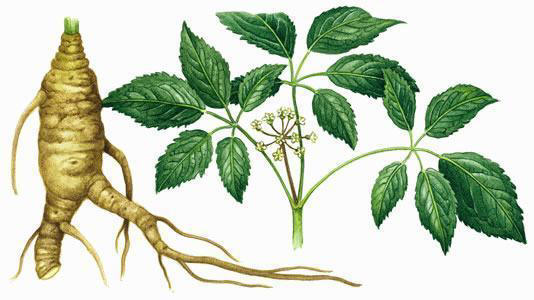
|
